 News
News
Beyond the Bean: Rethinking Cocoa in Africa’s Food Systems
When we talk about African food systems, the conversation often centres around food security, productivity, yields, and the crops we need to grow more of.
But perhaps there is another question we should be asking:
How much more value can we create from what we already grow?
Working with cocoa has made me think about this question differently.
When I started my journey into cocoa, I was primarily fascinated by the bean — the transformation from a fermented cocoa bean into chocolate, and the possibility of creating a premium product from a crop grown here in Malawi. But the deeper I have gone into cocoa, from farming to processing and product development, the more I have realised that we have created a very narrow narrative around this crop.
We call it a chocolate crop. I increasingly see it as a food system.
And perhaps cocoa offers us an interesting lesson in how we need to rethink African agriculture more broadly.
What if we stopped looking at cocoa only as a bean?
A cocoa tree produces far more than the beans that eventually become chocolate.
In some cocoa-growing communities, young cocoa shoots are consumed as vegetables and have a similar texture to okra. The pod contains a sweet, aromatic pulp that can be processed into juices and fermented beverages. The beans themselves can become nibs, cocoa liquor, cocoa powder and cocoa butter.
And then there are the possibilities that research and innovation are only beginning to explore.
This changes the question from:
“How much cocoa can we produce?”
to:
“How much nutrition, income, employment, and innovation can we create from the cocoa plant?”
Which is a very different agricultural question. It is also one that I believe Africa needs to ask more often.
The forgotten potential of food crops
We have become very good at thinking about agricultural commodities in terms of their primary product.
Coffee becomes coffee beans. Cotton becomes cotton lint. Cocoa becomes cocoa beans.
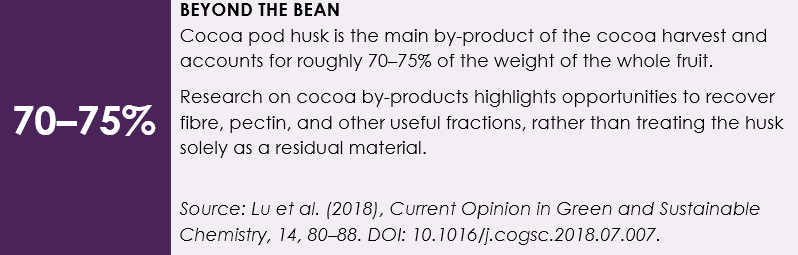
But agricultural value does not have to end there. The opportunity lies in understanding the entire value chain, including the parts of a crop and value-addition processes that have historically been overlooked, discarded, or considered secondary.
With cocoa, for example, the pulp can become a beverage ingredient. The bean, directly from harvest and unfermented, can be transformed into a floral virgin cocoa oil and nutritional flour, as demonstrated by the work of the team at Kehlora Global. These two products not only create more opportunities for how cocoa is processed, but also demonstrate its potential nutritional value as a superfood.
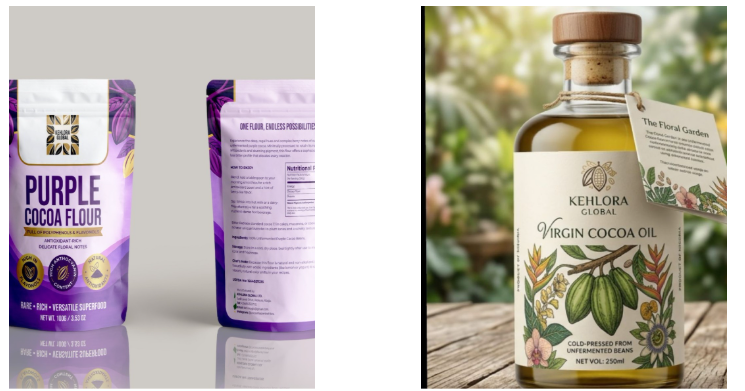
While traditional cocoa butter is extracted from fermented and roasted cocoa beans, the fragrant cocoa oil is cold-pressed from 100% unfermented cocoa beans. By bypassing fermentation and roasting, the process aims to preserve the bean’s delicate, naturally occurring compounds, resulting in an exceptionally pure oil with naturally occurring polyphenols, plant sterols and vitamin E.
Unfermented and unroasted, the oil is distinctly different from traditional cocoa butter. Rather than the rich, sweet aroma associated with chocolate, it has a light, clean and subtly green botanical aroma, with a velvety texture.
The cocoa press cake remaining after oil extraction is then finely milled into raw cocoa flour, retaining its naturally striking purple hue and much of the character of the unfermented cocoa bean. With no fermentation or roasting, the flour offers a mild, earthy cocoa flavour without the pronounced bitterness associated with conventional cocoa powders, while naturally containing cocoa’s polyphenols and essential minerals.
Then we have fermented cocoa nibs and powder, while cocoa butter can find its way into food, cosmetics and personal-care markets. Each part of the cocoa bean can have a different purpose and, potentially, a different market.
The point is not that every part of every crop must become a commercial product.
The point is that we should investigate before we discard. That requires research. It requires food safety standards. It requires processing infrastructure, viable markets and entrepreneurs willing to experiment, test and develop new applications.
But it also requires something more fundamental: a change in mindset.
We need to stop looking at cocoa simply as a bean destined to become chocolate and start seeing it as a crop with possibilities far beyond the finished bar.
Cocoa and the “superfood” conversation
I find it interesting that we can enthusiastically embrace foods labelled as “superfoods” when they come from far away, while overlooking the nutritional potential of crops grown in our own regions. Cocoa, particularly in its minimally processed and unsweetened forms, contains fibre, minerals and naturally occurring compounds such as flavanols and other polyphenols.
Yet when many people hear cocoa, they think of sugar and confectionery. That is partly a failure of the narrative. Chocolate is a product made from cocoa. It is not synonymous with cocoa itself.
There is an important conversation to be had about how cocoa can be incorporated into diets through powders, nibs, beverages and other foods — alongside the necessary distinction between nutrient-rich cocoa ingredients and highly formulated chocolate products.
If we are serious about building food systems that are both nutritious and locally rooted, we should not overlook crops simply because their best-known commercial product is considered an indulgence.
From commodity to ecosystem
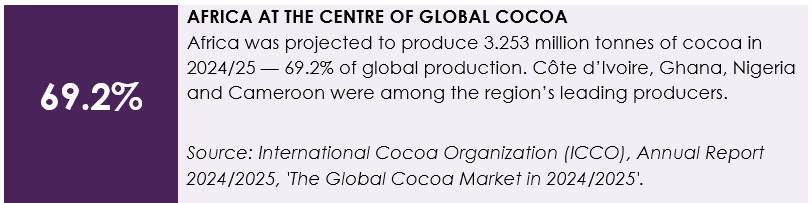
For me, this is where the conversation becomes much bigger than cocoa. Africa has spent decades exporting agricultural commodities while much of the processing, product development, branding, and consumer value creation happens elsewhere.
The result is that we can be major producers of a commodity without necessarily capturing a proportional share of the value. Cocoa demonstrates this problem particularly clearly. But it also demonstrates the opportunity.
What happens when a cocoa-growing country begins producing its own chocolate?
What happens when it develops its own cocoa powder variations?
What happens when entrepreneurs experiment with cocoa pulp beverages?
What happens when universities conduct research into new applications?
What happens when farmers are connected not only to commodity markets but to local processors and emerging food businesses?
The answer is an agricultural economy that starts to look less like a supply chain and more like an ecosystem. And as I often say, ‘Cocoa is a lifestyle’ more than anything else — which it really is.
The farmer should be at the centre
Value addition should not simply create another layer between the farmer and the consumer. If we are going to talk about transforming African food systems, the farmer must remain central to the conversation. More processing should mean more opportunities for farmers to benefit from growing the crop. More products should create stronger and more diversified markets. More local demand should strengthen the case for investment in production. And better traceability should help connect consumers to the people and places behind their food.
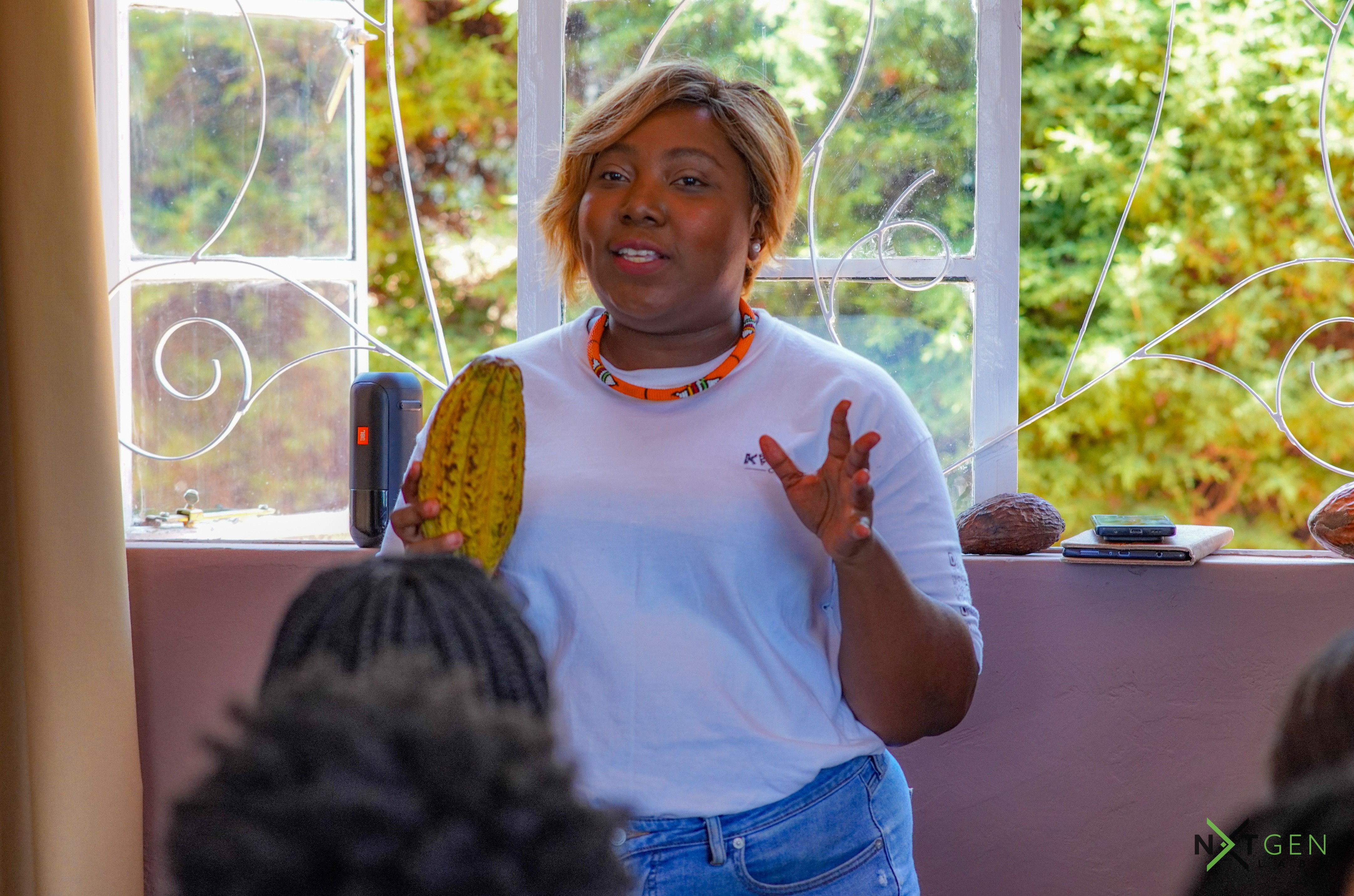
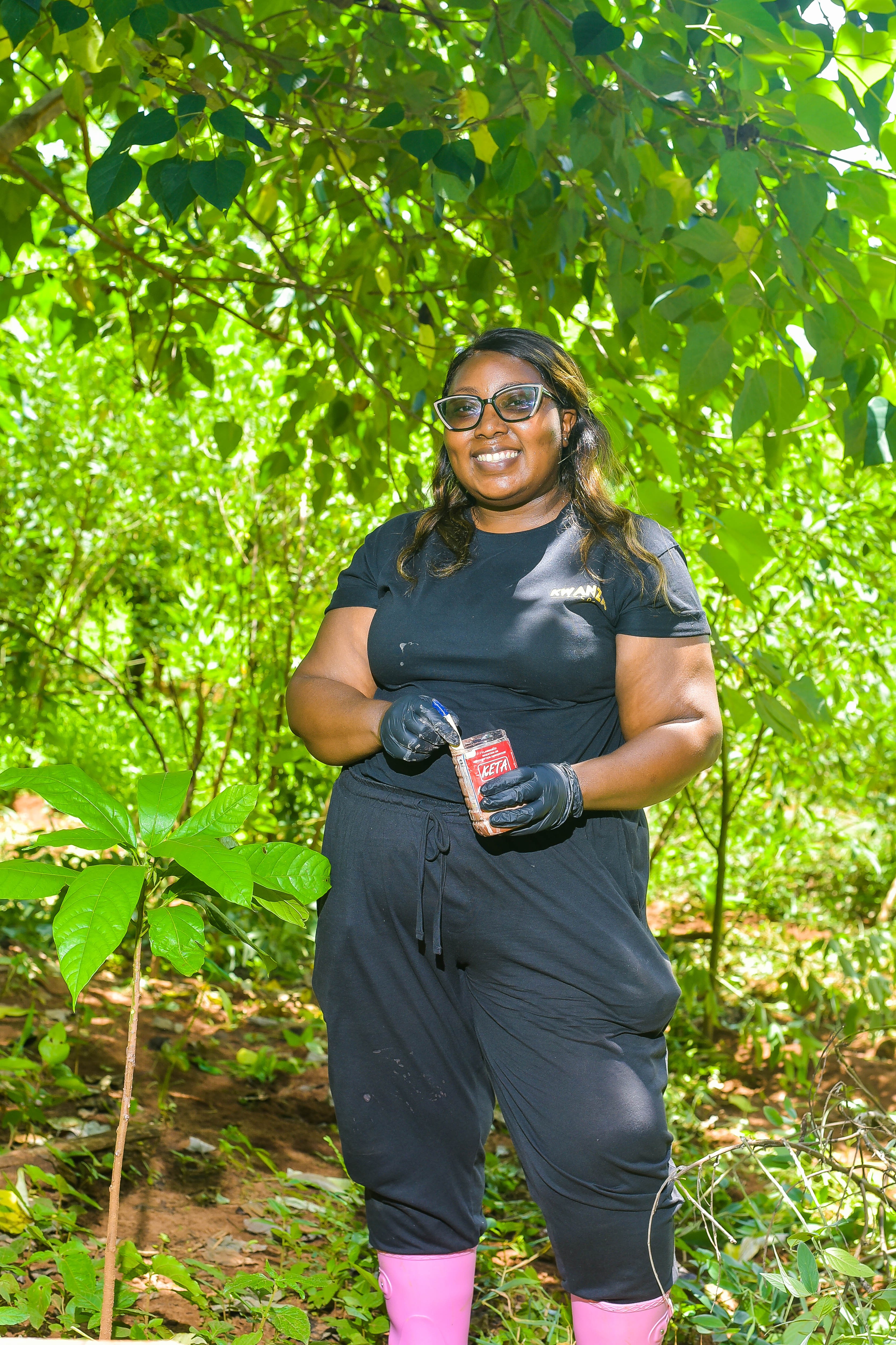
This is one of the reasons my work with cocoa matters so much to me. At Kwanza Cocoa, we are not simply interested in making chocolate in Malawi. We are interested in what becomes possible when we connect farming, processing, research, entrepreneurship, and consumption within the same ecosystem.
What cocoa teaches us about African food systems
Perhaps the lesson is not that cocoa is the next miracle crop. We need to become better at recognising the value that already exists within our agricultural systems. We need to ask better questions about utilisation. We need to invest in research and development. We need food processing capabilities that allow entrepreneurs to experiment. We need standards that make innovation safe and scalable. We need markets for locally transformed products.
And we need to shift the narrative from “What can Africa produce for the world?” to also asking “What can Africa create from what it produces?” That distinction matters.
Because there is a significant difference between being a producer of raw materials and being a creator of food, brands, technologies, knowledge and value.
Perhaps the future is not more — but more from what we have.
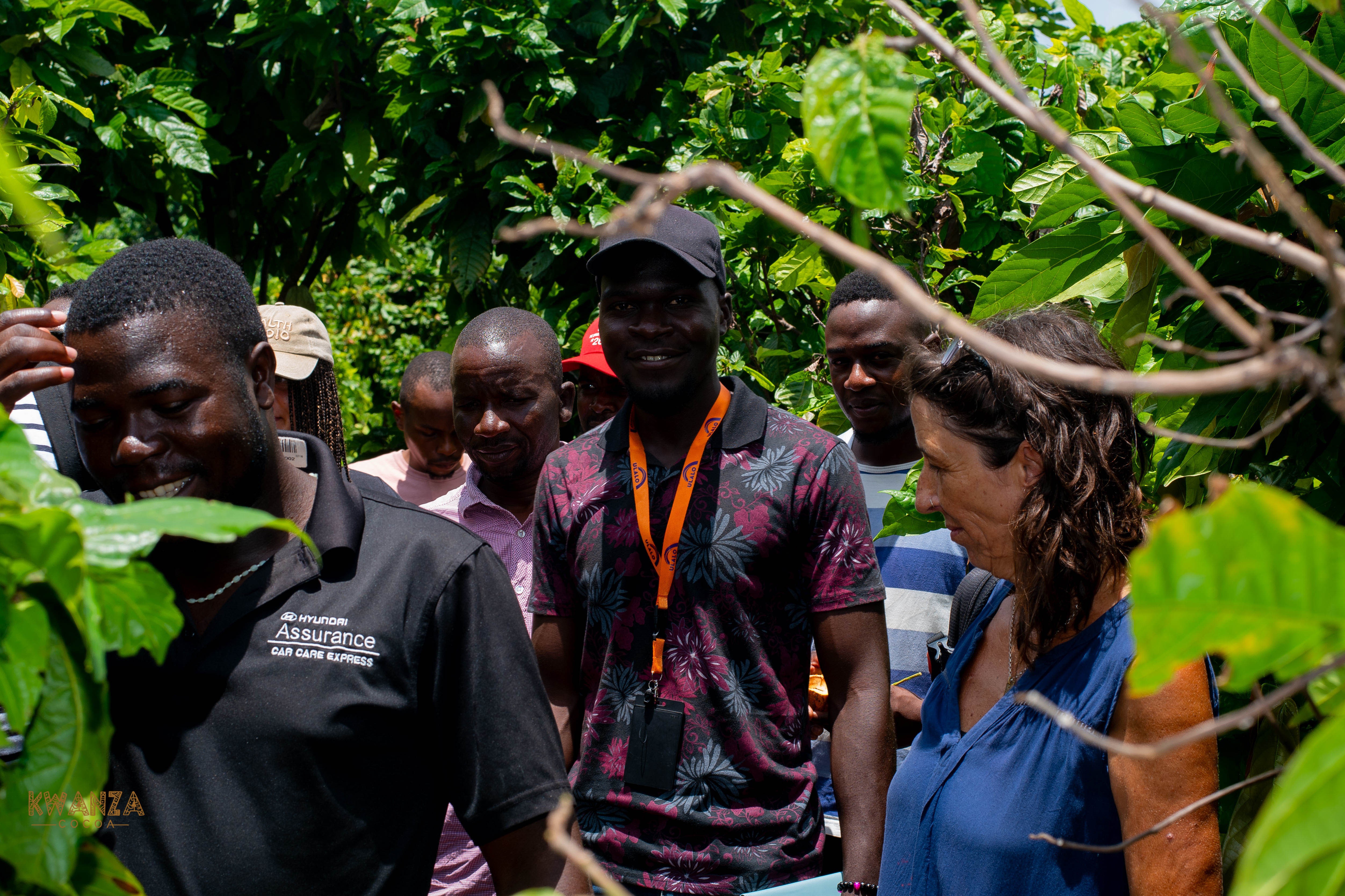
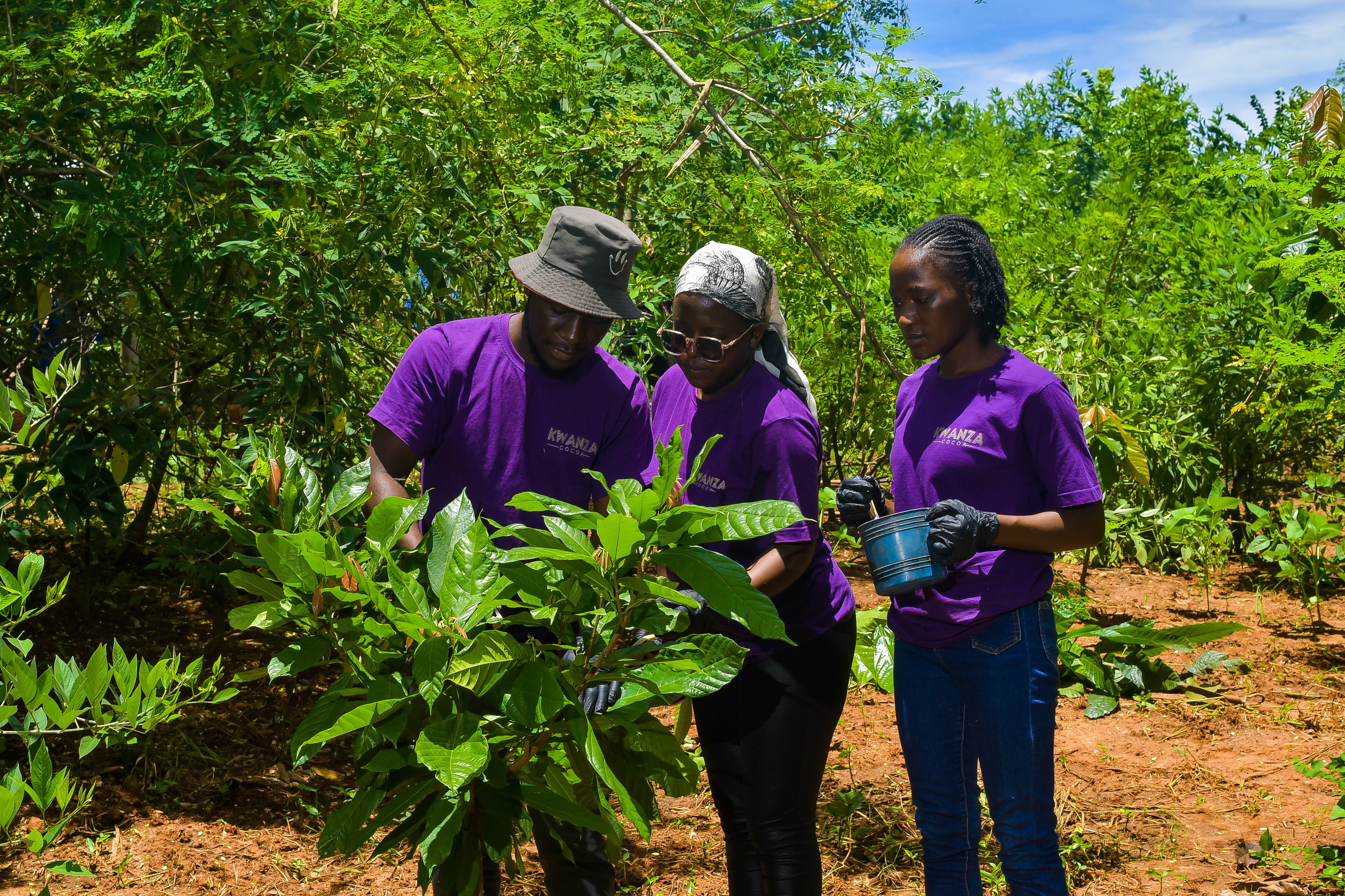
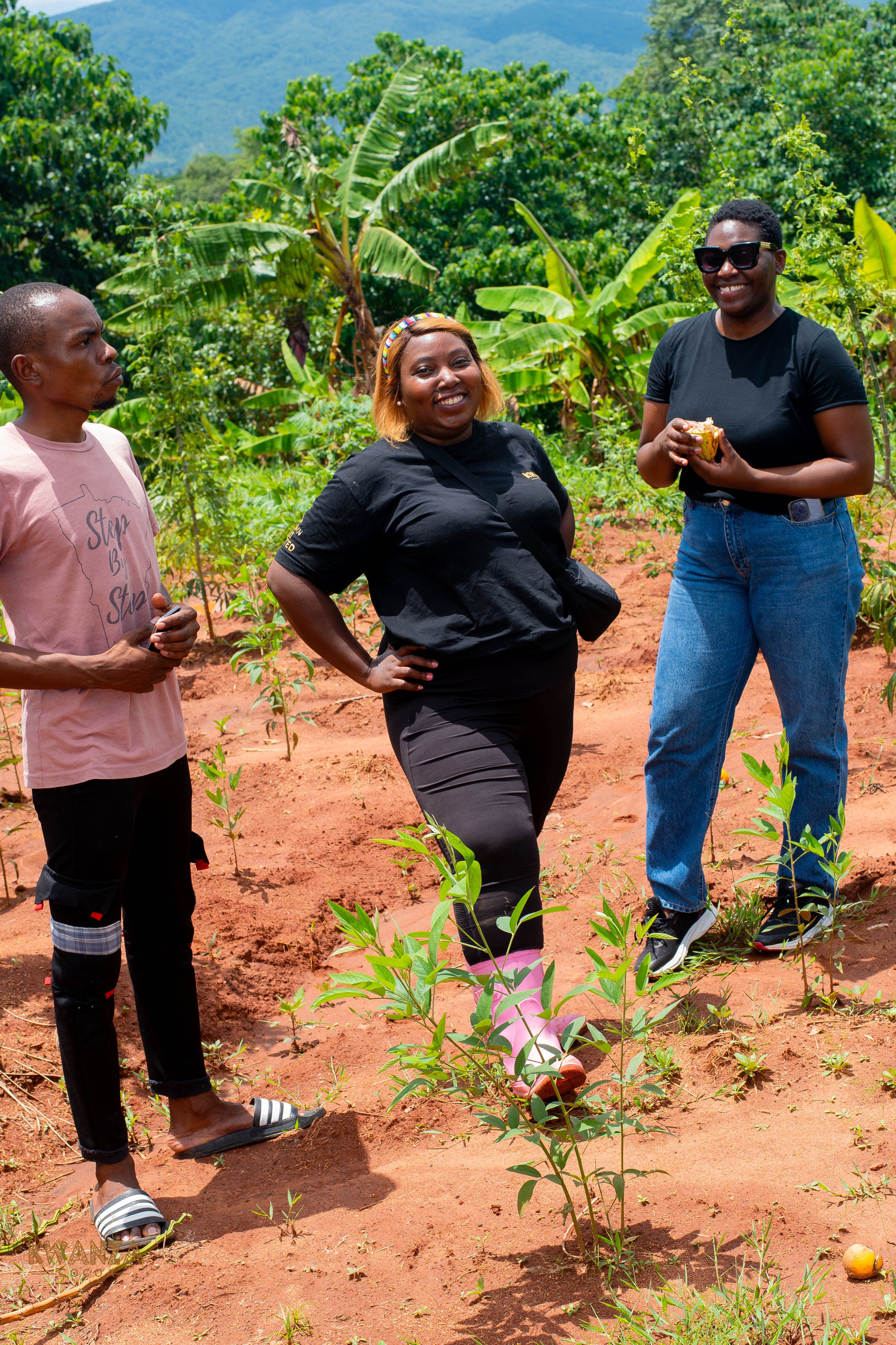
Standing on a cocoa farm, it is easy to see only the harvest ahead. But I increasingly see a series of possibilities.
A shoot that could be food.
A pod that could become a beverage.
A bean that could become chocolate, nibs or nutritional powder.
A by-product that could inspire another innovation.
A farmer who could participate in a much larger value chain.
A researcher who could unlock an application we haven’t considered yet.
An entrepreneur who could turn that discovery into a business.
That, to me, is what food systems thinking looks like.
It is about connecting the dots.
And perhaps cocoa is a useful reminder that some of the most interesting opportunities in African agriculture are not necessarily waiting for us in the next new crop. They may already be growing around us.
We just need to learn to see them differently.